Exploring the History and Beauty of the Wild & Scenic Rogue
The Rogue River is one of the few places where geology, culture, and recreation overlap in a way you can experience in a single trip. The canyon is steep, remote, and largely roadless. The trail that traces its edge is not just a hiking route. It is a historic transportation corridor shaped by Indigenous travel, gold rush industry, and early settlement.
Learning the Rogue River Trail History adds context to every mile on foot and every bend in the river.
Rogue River Trail History: How the Route Took Shape
Long before modern recreation, the canyon was home to the Takelma and Chinook peoples. They moved along the river for fishing, trade, and seasonal travel, establishing the earliest pathways through the canyon.
In the late nineteenth century, miners searching for gold expanded those routes. Mule trains carried supplies along narrow ledges carved into rock walls. Much of today’s tread still follows those original pack trails.
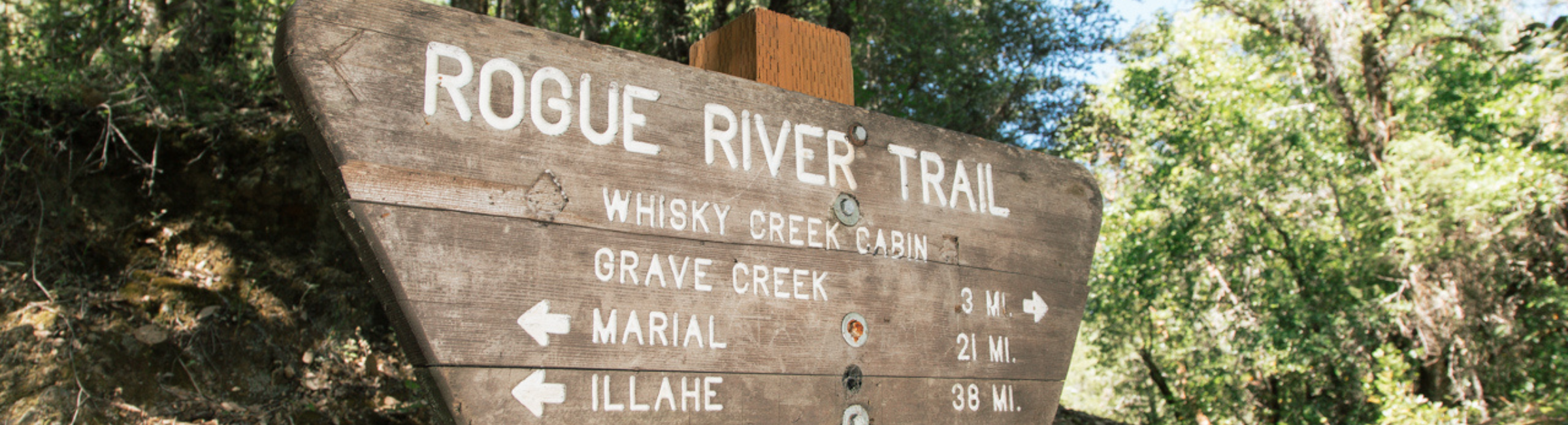
Eventually, the pathway evolved into what is now the Rogue River National Recreational Trail, stretching more than 40 miles between Grave Creek and Big Bend. Preservation of this trail protects both its cultural story and the Wild and Scenic canyon landscape.
Landscape Along the Trail
The canyon terrain explains why this corridor is nationally recognized. Hikers move through:
- Steep rock walls above green river pools
- Narrow bridges over side creeks
- Waterfalls entering the canyon from hanging valleys
- Forest benches with madrone, pine, and oak
Writers such as Zane Grey, Joaquin Miller, and Alfred Powers drew inspiration from this setting. The combination of rugged canyon and quiet river reaches has remained largely unchanged.
Walking Through Living History
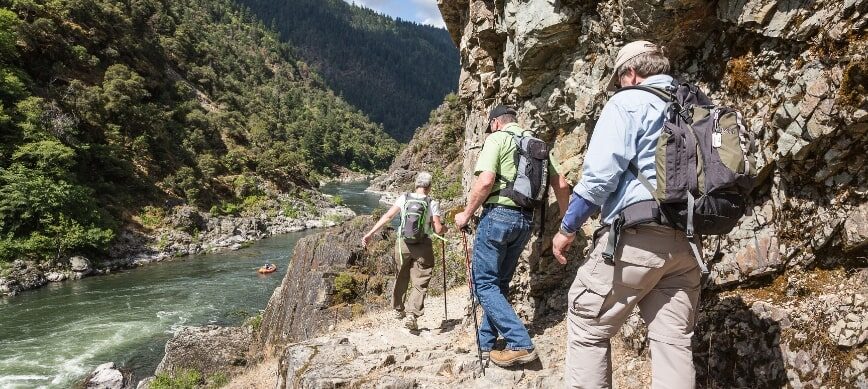
Walking here means tracing a route shaped by survival, industry, and creativity. You’ll notice:
- Hand cut rock ledges once used by pack mules
- Historic ranch sites along the river
- Remote lodges reachable only by trail or boat
- Overlooks that reveal the scale of the canyon
Raft Supported Hiking Trips on the Rogue
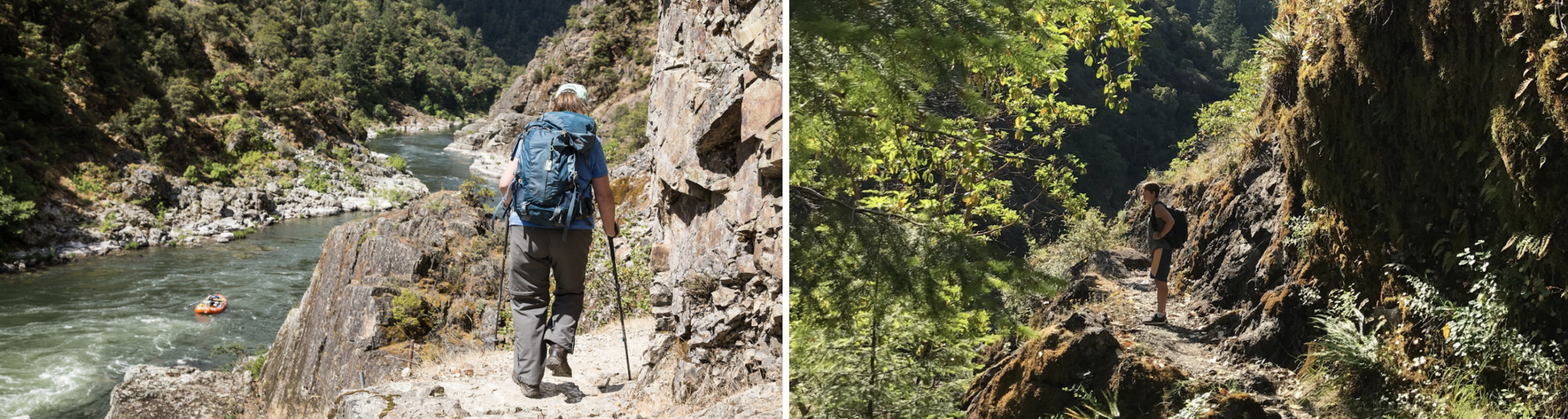
One of the most practical ways to experience both the scenery and the Rogue River trail history is on a raft supported hiking trip. Instead of carrying full backpacking gear, a raft travels the river alongside the hiking route, transporting luggage and offering an option to ride sections of the river.
For more than 20 years, Morrison’s Rogue Wilderness Adventures has operated multi day hiking trips that combine trail miles with lodge stays and river support.
4 Day Rogue River Raft Supported Hiking Trip
Duration: 4 days, 4 nights
Distance: About 40 miles of hiking
Season: Late spring and fall
How the Trip Works
-
Guests hike the Rogue River Trail during the day
-
A support raft runs the river with gear, meals, and supplies
-
Hikers can ride the raft for part of a day to rest
-
Each night is spent at a historic riverside lodge
-
Meals are prepared for the group, including trail lunches and lodge dinners
This format allows hikers to cover substantial distance while keeping pack weight light. It also makes the route accessible to a wider range of fitness levels.
Typical Daily Mileage
-
Day 1: Around 10 to 11 miles
-
Day 2: Up to 15 miles, with common raft riding options
-
Day 3: Shorter mileage day around 7 miles
-
Day 4: Final stretch to Foster Bar
An alternate Paradise section itinerary adjusts mileage and includes a loop hike near Rogue River Ranch.
Why This Trail Is Considered One of America’s Great Historic Routes
Few trails combine cultural depth and remote canyon scenery at this scale.
| Feature | What Makes It Unique |
|---|---|
| Cultural history | Indigenous travel routes + gold rush infrastructure |
| Scenic diversity | Waterfalls, canyons, forest, river beaches |
| Literary legacy | Inspired major Western authors |
| Accessibility | Reachable via raft-supported or lodge-based trips |
| Preservation | Protected Wild & Scenic river corridor |
The Connection Between River and Trail
The river shaped the canyon, and the canyon determined where the trail could exist. Experiencing the route with a raft nearby highlights how travel, trade, and recreation have always depended on both water and land access.
Why Rogue River Trail History Matters to Visitors
Knowing how the trail developed changes how people see the canyon. The rock ledges, ranch clearings, and lodge sites are not random features. They are pieces of a long transportation story that continues today through hiking and river travel.
FAQs
What is the Rogue River Trail known for?
Its mix of Indigenous heritage, gold rush infrastructure, dramatic canyon scenery, and literary inspiration.
How long is the Rogue River National Recreational Trail?
Roughly 40 miles between Grave Creek and Big Bend.
Why is the Rogue River designated Wild & Scenic?
Because of its free-flowing condition, outstanding scenery, wildlife habitat, and historic value.
Can you hike the Rogue River Trail without backpacking gear?
Yes. Raft-supported trips allow hikers to explore remote stretches without carrying heavy loads.
Who were the earliest travelers along the Rogue River corridor?
The Takelma and Chinook peoples, followed later by miners and settlers.